

How to Use Your
Doman Cards!
Frequently Asked Questions about Your Doman Cards
-
Young children are naturally curious "little scientists" who love absorbing facts. Facts act as the building blocks of knowledge, and research shows that children who know the most comprehend the most, giving them an appreciation for the world and a stronger baseline for future learning and problem solving.
-
Each category set contains 10 cards split into two groups of five: Set A and Set B. Teaching 5 cards at a time aligns with human working memory, which optimally processes 5 to 7 pieces of information at once.
-
Sit about an arm's length away from your child, introduce the category (e.g., "Let's look at a set of fruit"), and move through the 5 cards quickly from back to front so you can read each word before placing the card in front of your child. Keep the pace fast (do not linger for 5 seconds on a single card), bring genuine enthusiasm, and wrap up with a celebration like a hug or fist bump. If you aren't feeling enthusiastic, put the cards away and try again later.
-
Shuffling ensures the cards appear in a different order each time. Without shuffling, children memorize the sequence rather than truly learning each individual card.
-
Month 1 (Card Names): Show Set A 3 times per day for 5 consecutive days (taking at least a 5-minute break between showings), then show Set B 3 times per day for 5 consecutive days. Never teach Set A and Set B on the same day.
Month 2 (Fact #1): Show Set A—naming each card and reading Fact #1 on the back—3 times per day for 3 consecutive days, then repeat with Set B for 3 consecutive days.
Month 3 (Fact #2): Follow the same 3-day schedule for Set A and Set B, reading only Fact #2 on the back.
Month 4 (Fact #3): Follow the same 3-day schedule for Set A and Set B, reading only Fact #3 on the back (you do not need to repeat Facts #1 and #2).
Tip: If you miss a day, simply pick back up where you left off. To keep learning exciting, teach three different categories simultaneously (such as colors, fruit, and giant animals).
-
Never test or pressure your child. Only introduce "problem-solving" games after your child has completed the full teaching cycle for those cards (3 times a day for 5 days for card names, or 3 days for facts). Ask no more than 3 questions per sitting so your child stays engaged and doesn't get frustrated.
-
Direct Questions: Hold up two cards and ask your child to identify one (e.g., "Where is the color blue?").
Indirect Questions: Hold up two cards and give a clue based on a previously taught fact (e.g., "Which of these fruits is sour so wild animals won't eat it?"). Prepare these in advance so your child doesn't see you reading off the back of the card.
What to Avoid: Never hold up a single card and ask "What's this?" Young children often feel self-conscious when pressured to name things out loud; offering two choices lets them point comfortably instead (though they are always welcome to say the name if they choose to on their own).
-
Your reaction matters far more than your child's answer. Never shame or negatively correct a wrong choice. If you ask for "blue" and your child points to "brown," simply respond warmly: "Oh, that's brown, and this is blue." This turns every guess into a low-pressure teaching moment.
-
Point out concepts your child has learned out in the real world—such as spotting fruits at the supermarket or naming colors during walks—and connect ideas across categories (for example, reminding your child that a banana is yellow from their color set).
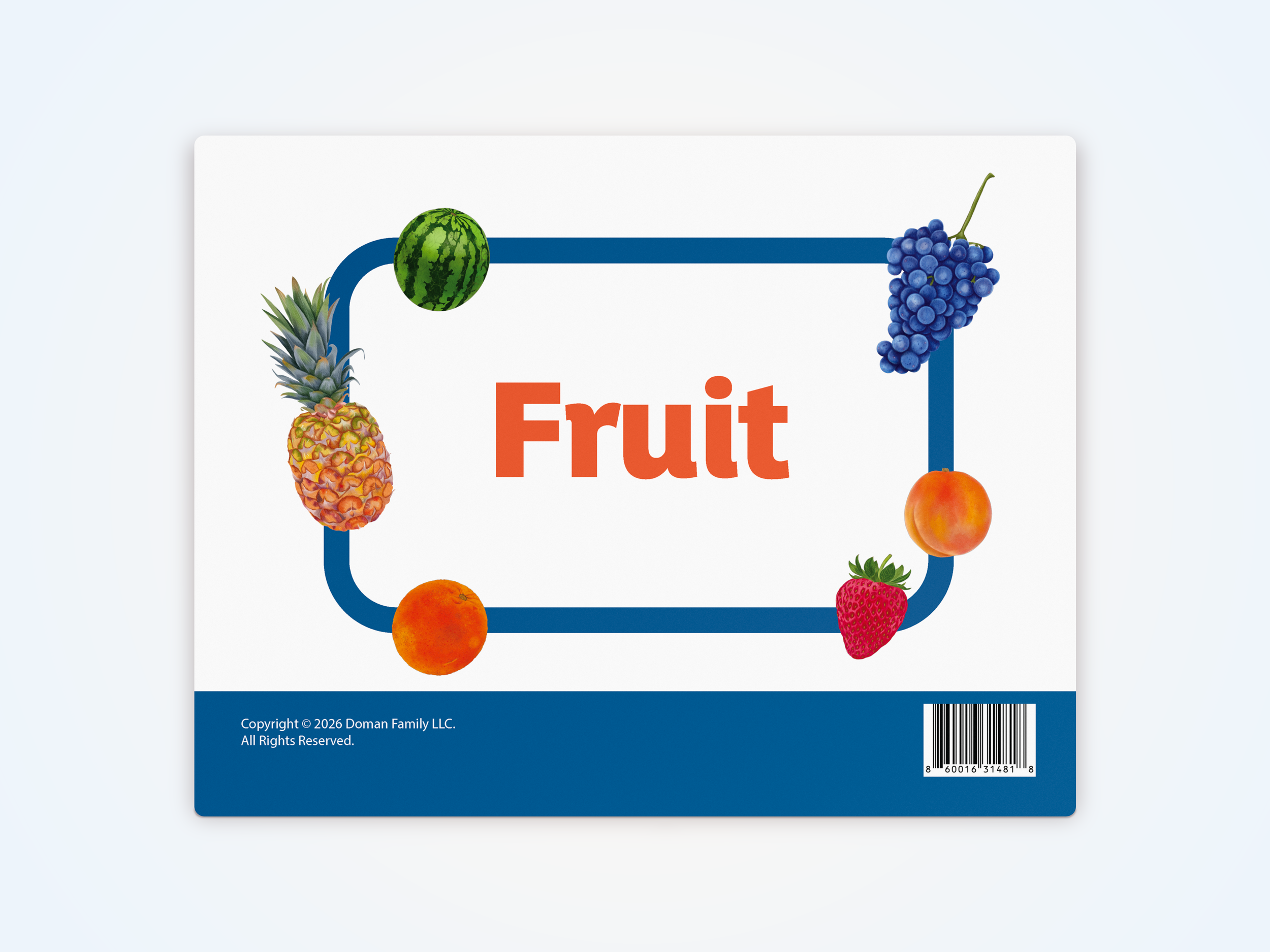
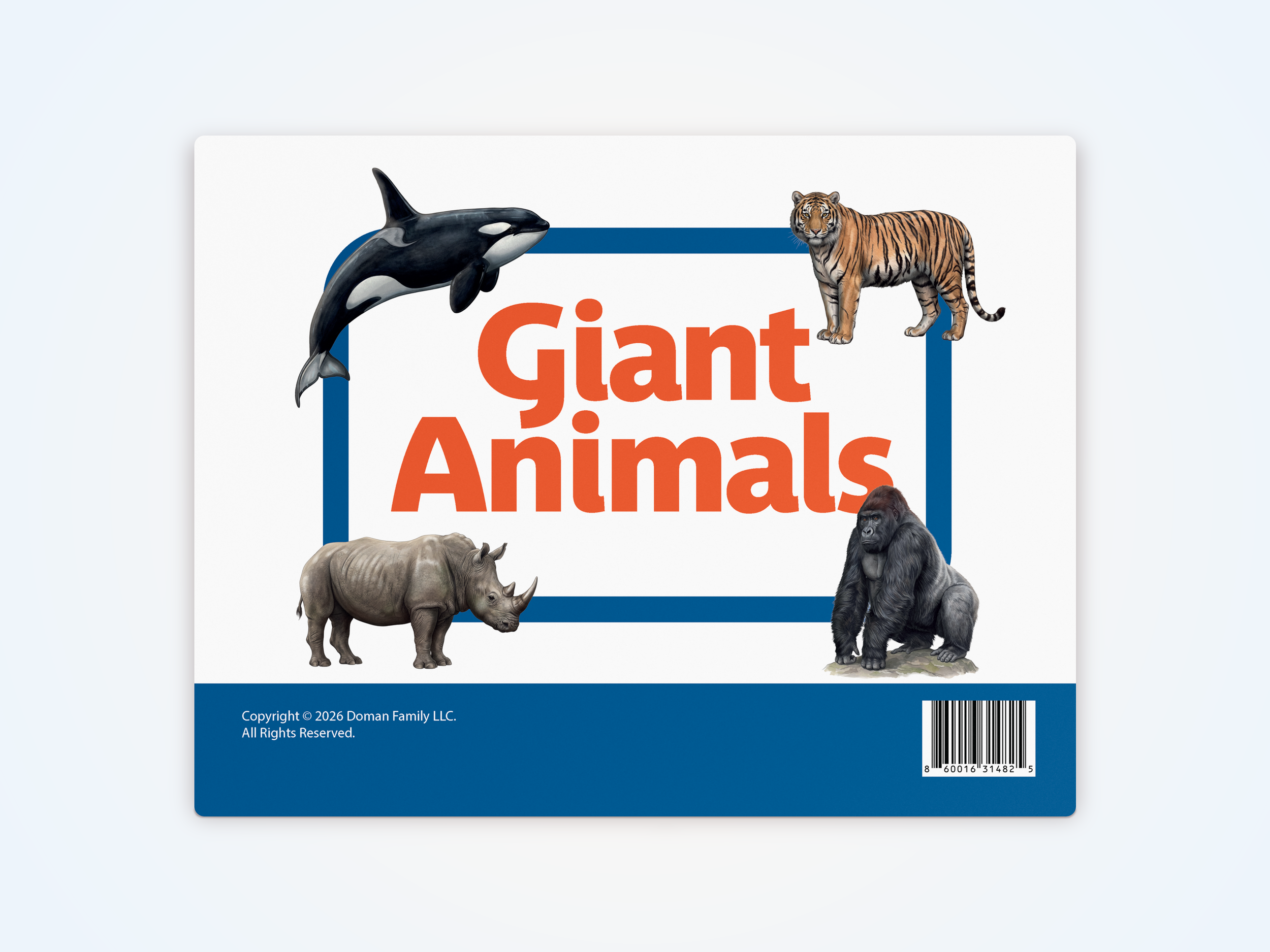
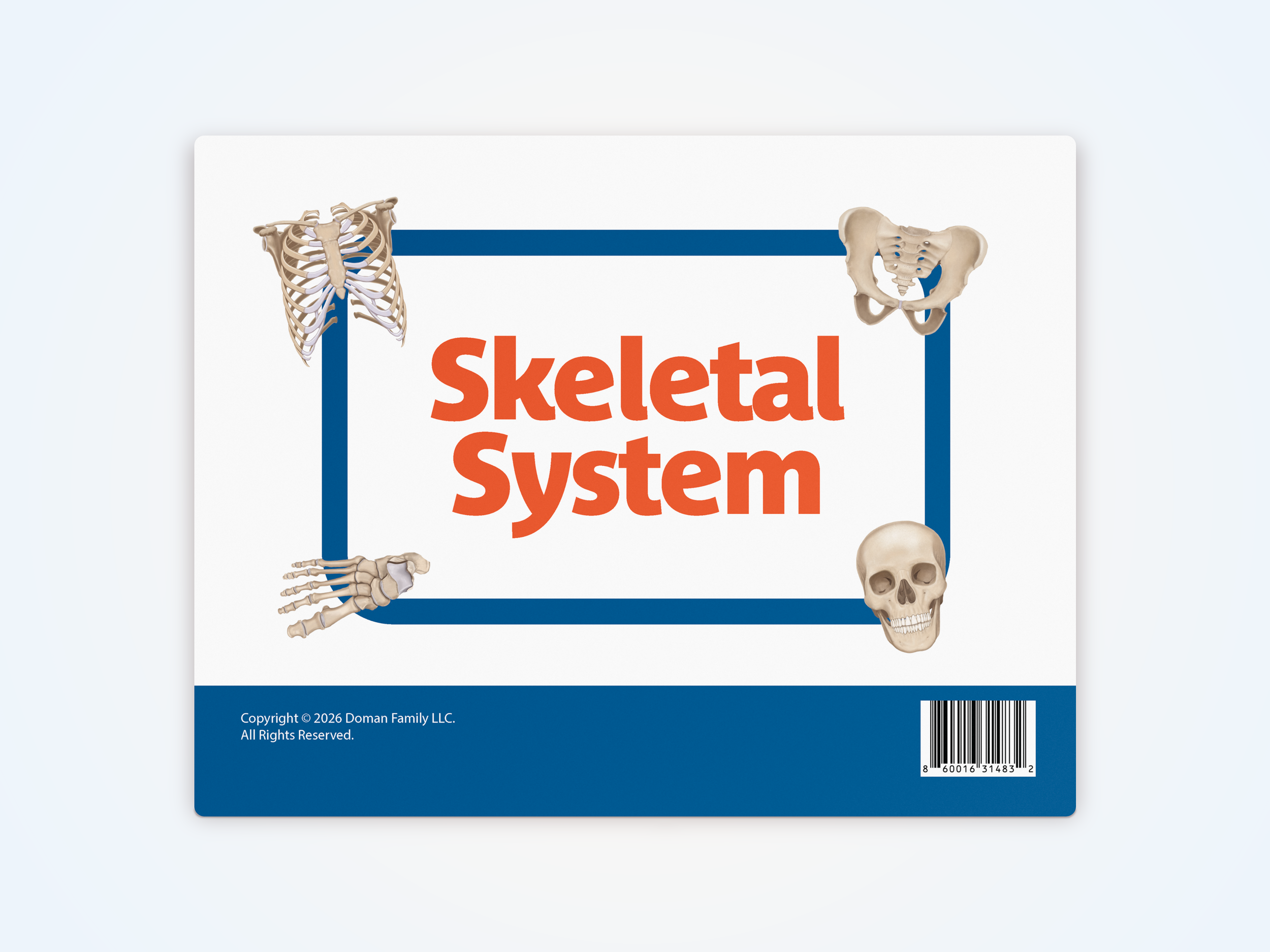
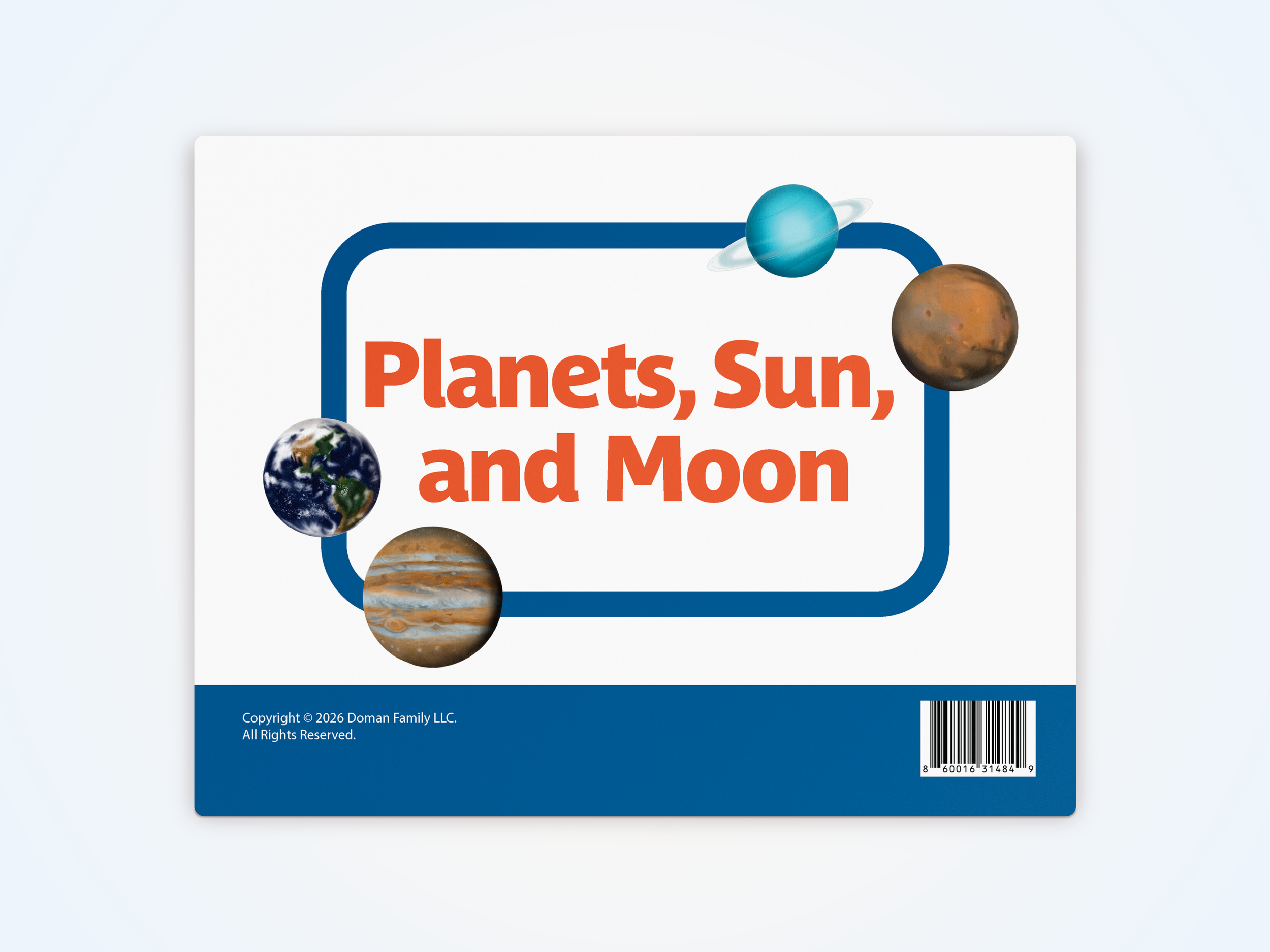
Ages 6 Months – 6 Years | Screen-Free
These official Doman Cards make early learning fun, effective, and effortless. By pairing vibrant, beautiful illustrations with engaging facts, these authentic Glenn Doman flash cards help your child build an understanding and knowledge of colors through contextualized learning.
What’s Included
Red • Yellow • Blue • Orange • Green • Brown • Black • White • Purple • Pink
Safe & Durable Material: Laminated Cardstock (Non-Toxic) w/ Rounded Corners
Double-sided: Beautiful Illustration on the Front, 3 Engaging Facts on the Back
Includes: Parent Instruction & Tutorial Guide